By Lindsay Powers, Nutritional Therapist | Last Updated: June 2026
This article was written by Lindsay Powers, Nutritional Therapist, as part of her role with Good Health Naturally. It is intended for educational purposes only and does not constitute medical advice.
Estimated reading time: 7 minutes
Disclaimer: This article is for informational and educational purposes only. The information provided is not intended to diagnose, treat, cure, or prevent any disease or health condition. Always consult a qualified healthcare professional before starting any new supplement. This product has not been evaluated by the Food and Drug Administration (FDA).
If you have been exploring the world of natural wellness supplements, chances are you have come across the word nattokinase. From cardiovascular support circles to longevity communities, this enzyme is generating real interest, and for good reason. If you are already curious about trying a nattokinase supplement, read on to make sure you have the full picture first. In this guide, I want to walk you through what nattokinase actually is, where it comes from, what the research says, and what you should know before adding it to your routine.
Key Points
- Nattokinase is a fibrinolytic enzyme derived from natto, a traditional Japanese fermented soybean food.
- It has been researched primarily in relation to cardiovascular markers including blood pressure and fibrinolytic activity.
- Enzyme activity is measured in FU (Fibrinolytic Units); look for this on product labels rather than milligrams alone.
- It may interact with blood-thinning medications; always consult your doctor before use.
- This product has not been evaluated by the FDA and is not intended to diagnose, treat, cure, or prevent any disease.
What Is Nattokinase?
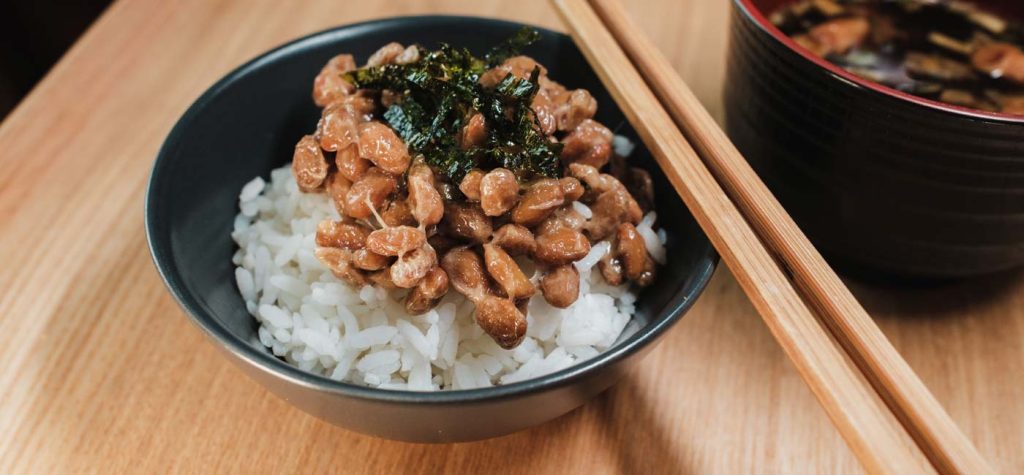
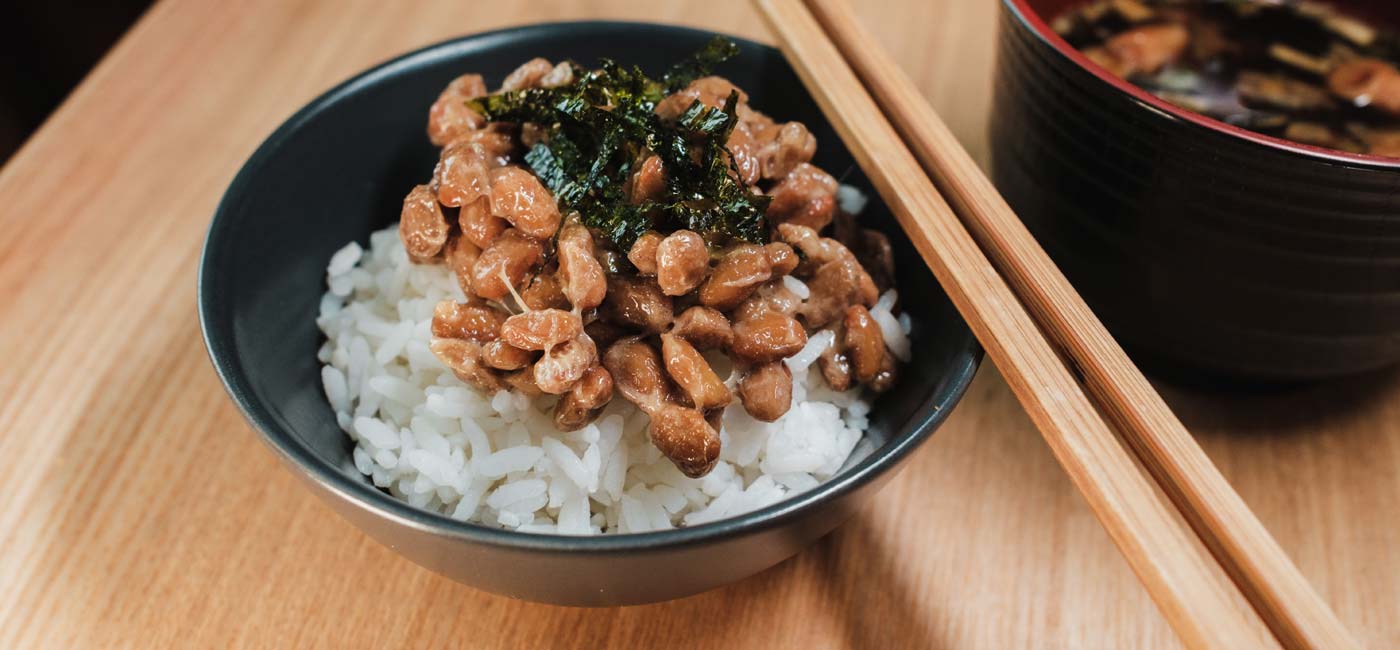
Nattokinase is a naturally occurring enzyme derived from natto, a traditional Japanese food made from fermented soybeans. Natto has been a staple of Japanese cuisine for over a thousand years (particularly in the Kanto region) and is produced through fermentation with the bacterium Bacillus subtilis var. natto.
The enzyme itself was first identified in 1987 by Japanese researcher Dr. Hiroyuki Sumi while working at the University of Chicago. In laboratory testing, he observed that natto had a remarkable ability to break down fibrin, a protein involved in blood clotting, and named the responsible enzyme “nattokinase,” combining natto with the suffix -kinase (an enzyme that catalyzes biochemical reactions) [1].
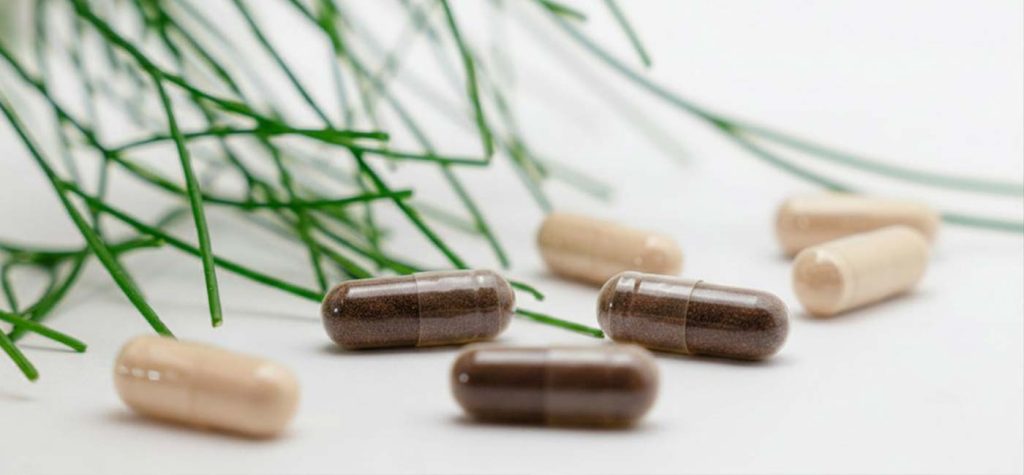
Today, nattokinase is extracted and concentrated from natto and is widely available as a dietary supplement in capsule and powder form.
How Does Nattokinase Work?
The Role of Fibrin in the Body
To understand nattokinase, it helps to first understand fibrin. Fibrin is a protein produced by the body as part of the natural clotting process. When you sustain a wound, fibrin works alongside platelets to form a clot and stop bleeding, which is a critical survival mechanism.
However, in some contexts, excess fibrin accumulation can be a concern. The body has its own natural fibrinolytic (clot-dissolving) system, led primarily by an enzyme called plasmin, which breaks down fibrin after it has done its job. Research suggests that nattokinase may support this fibrinolytic activity [2].
Nattokinase and Fibrinolysis
Multiple in vitro and in vivo studies have investigated nattokinase’s fibrinolytic properties. A study published in Scientific Reports (2018) found that oral administration of nattokinase was associated with fibrinolytic activity in human subjects, suggesting the enzyme retains activity after digestion [3].
It is important to note that “fibrinolytic activity” does not mean nattokinase treats or prevents any medical condition. Research in this area remains ongoing, and regulatory bodies including the FDA have not approved nattokinase as a drug for any condition.
What Does the Research Say?
Cardiovascular Health Research
The most substantial body of research on nattokinase relates to cardiovascular markers. A double-blind, placebo-controlled study published in Hypertension Research (2008) examined 86 participants over eight weeks and observed statistically significant differences in blood pressure measurements in those taking nattokinase compared to placebo [4].
A further clinical study published in Frontiers in Cardiovascular Medicine (2022) followed 1,062 participants over 12 months and found significant improvements in blood lipid markers, including reductions in total cholesterol, triglycerides, and LDL-C, in those taking nattokinase daily [5].
It is essential to understand that these studies observe associations and biological markers; they do not establish that nattokinase prevents, treats, or cures cardiovascular disease. Always work with your doctor to manage cardiovascular health.
Nattokinase and Circulation
Some researchers have explored nattokinase in relation to general circulatory markers. A pilot study published in Scientific Reports (2015) observed changes in fibrinolytic and anticoagulation markers in healthy volunteers following a single dose [6]. Again, this is early-stage research and should not be interpreted as evidence of treatment efficacy.
Cognitive Health: An Emerging Area
More recently, researchers have begun exploring nattokinase in relation to cognitive health and amyloid protein metabolism. A laboratory study published in the Journal of Agricultural and Food Chemistry (2009) demonstrated nattokinase’s ability to degrade amyloid fibrils under laboratory conditions [7]. This research is at a very early stage and no clinical conclusions can be drawn at this time.
Nattokinase vs. Other Enzymes: How Is It Different?
| Enzyme | Source | Primary Focus in Research |
|---|---|---|
| Nattokinase | Fermented soybeans (natto) | Fibrinolytic activity, cardiovascular markers |
| Serrapeptase | Silkworm gut bacteria | Anti-inflammatory markers |
| Lumbrokinase | Earthworm species | Fibrinolytic activity |
| Bromelain | Pineapple stem | Anti-inflammatory, digestive support |
Nattokinase is one of several fibrinolytic enzymes being researched, but it stands out for its oral bioavailability. The evidence suggests it survives digestion better than many similar enzymes [8].
How Is Nattokinase Measured? Understanding FU and mg
You will often see nattokinase labeled in Fibrinolytic Units (FU) rather than milligrams (mg). FU is the internationally recognized standard for measuring fibrinolytic enzyme activity: it tells you how active the enzyme is, not just how much of it is present by weight.
Most nattokinase supplements on the market range from 1,000 to 4,000 FU per serving. Some products list milligrams instead of FU; when evaluating a product, look for a standardized FU measurement to ensure you understand what you are getting.
The Japan BioScience Laboratory (JBSL), which originally developed standardized nattokinase extraction, recommends a reference intake of 2,000 FU per day based on traditional consumption estimates and available research [9].
Who Might Be Interested in Nattokinase?
Nattokinase is particularly popular among adults who:
- Are interested in proactive circulatory wellness as part of a broader lifestyle approach
- Have a family history of cardiovascular concerns and want to explore complementary nutritional strategies alongside conventional medicine
- Are curious about longevity-focused supplementation
- Are looking for plant-derived enzyme supplements (nattokinase is typically vegan)
However, nattokinase is not suitable for everyone. See the important safety section below.
Safety, Precautions, and Who Should Avoid It
Consult Your Healthcare Provider First
This point is non-negotiable. Because nattokinase influences fibrinolytic activity, it may interact with anticoagulant or antiplatelet medications such as warfarin, aspirin, heparin, or direct oral anticoagulants (DOACs) like rivaroxaban or apixaban. If you take any blood-thinning medication, do not take nattokinase without explicit guidance from your prescribing doctor.
Pregnancy and Breastfeeding
There is insufficient safety data on nattokinase use during pregnancy or breastfeeding. Out of an abundance of caution, it is recommended that pregnant and breastfeeding individuals avoid nattokinase supplementation.
Pre-Surgery
Due to its fibrinolytic properties, practitioners typically recommend discontinuing nattokinase supplementation at least two weeks before any scheduled surgery. Discuss this with your surgical team.
Soy Allergy
Nattokinase is derived from soybeans. While the enzyme itself may be present in only trace amounts of soy protein, anyone with a soy allergy should consult their allergist before use and ensure they choose a product tested for allergen content.
Vitamin K2 in Natto Foods vs. Nattokinase Supplements
Natto the food is exceptionally high in vitamin K2, which plays a role in blood clotting and may interact with warfarin. It is worth noting that most concentrated nattokinase supplements have the vitamin K2 removed during processing, but always check product labels and certificates of analysis to confirm.
How to Choose a Quality Nattokinase Supplement
With so many products on the market, knowing what to look for matters. Here is what I recommend as a nutritional therapist:
Look for:
- Clear FU (Fibrinolytic Unit) labeling, not just milligrams
- Confirmation that vitamin K2 has been removed (if relevant to your situation)
- A reputable manufacturer with transparent sourcing
- Non-GMO soy sourcing
Avoid:
- Products that make specific disease or treatment claims
- Supplements with proprietary blends that obscure individual dosages
- Products without clear contact information or batch testing
Frequently Asked Questions About Nattokinase
Can nattokinase replace my blood pressure or cholesterol medication?
No. Nattokinase is a dietary supplement and is not a substitute for prescribed medications. Never stop or reduce medication without speaking to your doctor.
Can I get nattokinase from food?
Yes. Natto itself is the richest dietary source. A 100g serving of natto contains approximately 1,000–2,000 FU of nattokinase activity. However, natto has a strong flavor and smell that is not to everyone’s taste, which is why many people choose supplemental form.
Is nattokinase the same as nattokinase NSK-SD®?
NSK-SD® is a specific branded, standardized form of nattokinase that has been used in several clinical studies. It is produced to remove vitamin K2 and is standardized to a defined FU activity. Some practitioners prefer supplements using this standardized extract due to its research background.
How long does nattokinase take to work?
There is no universal answer. Some studies have observed measurable changes in fibrinolytic markers within hours of a single dose; longer-term marker changes in clinical studies typically appear over 8 weeks to 12 months of consistent use [4], [5].
The Bottom Line on Nattokinase
Nattokinase is a genuinely interesting enzyme with a solid and growing body of research, particularly in the areas of fibrinolytic activity and cardiovascular biomarkers. It has a long history of safe use in traditional Japanese dietary practice, and modern extraction means it is now accessible in concentrated supplement form.
That said, it is not a magic bullet, it is not a medication, and it is not appropriate for everyone. As with all supplements, the fundamentals of good health (a varied whole-food diet, regular movement, quality sleep, stress management, and a strong relationship with your healthcare team) remain the foundation on which any supplement should sit.
If you are curious about whether nattokinase might be a useful addition to your personal wellness strategy, I always recommend starting that conversation with your doctor or a qualified nutritional therapist who can review your individual health history.
Ready to explore? View the Good Health Naturally nattokinase range here.
Lindsay Powers is a qualified Nutritional Therapist working with Good Health Naturally. Her focus is on cardiovascular wellness, metabolic health, and evidence-based supplementation. She writes to help people navigate the ever-expanding world of natural health with clarity and confidence.
References
- Sumi, H., Hamada, H., Tsushima, H., Mihara, H., & Muraki, H. (1987). A novel fibrinolytic enzyme (nattokinase) in the vegetable cheese Natto; a typical and popular soybean food in the Japanese diet. Experientia, 43(10), 1110–1111. https://doi.org/10.1007/BF01956052
- Weng, Y., Yao, J., Sparks, S., & Wang, K.Y. (2017). Nattokinase: An oral antithrombotic agent for the prevention of cardiovascular disease. International Journal of Molecular Sciences, 18(3), 523. https://doi.org/10.3390/ijms18030523
- Jensen, G.S., Lenninger, M., Ero, M.P., & Benson, K.F. (2016). Consumption of nattokinase is associated with reduced blood pressure and von Willebrand factor, a cardiovascular risk marker: Results from a randomized, double-blind, placebo-controlled, multicenter North American clinical trial. Integrated Blood Pressure Control, 9, 95–104. https://doi.org/10.2147/IBPC.S99553
- Kim, J.Y., Gum, S.N., Paik, J.K., Lim, H.H., Kim, K.C., Ogasawara, K., Inoue, K., Park, S., Jang, Y., & Lee, J.H. (2008). Effects of nattokinase on blood pressure: A randomized, controlled trial. Hypertension Research, 31(8), 1583–1588. https://doi.org/10.1291/hypres.31.1583
- Chen, H., Chen, J., Zhang, F., Li, Y., Wang, R., Zheng, Q., Zhang, X., Zeng, J., Xu, F., & Lin, Y. (2022). Effective management of atherosclerosis progress and hyperlipidemia with nattokinase: A clinical study with 1,062 participants. Frontiers in Cardiovascular Medicine, 9, 964977. https://doi.org/10.3389/fcvm.2022.964977
- Kurosawa, Y., Nirengi, S., Homma, T., Esaki, K., Ohta, M., Clark, J.F., & Hamaoka, T. (2015). A single-dose of oral nattokinase potentiates thrombolysis and anti-coagulation profiles. Scientific Reports, 5, 11601. https://doi.org/10.1038/srep11601
- Hsu, R.L., Lee, K.T., Wang, J.H., Lee, L.Y., & Chen, R.P. (2009). Amyloid-degrading ability of nattokinase from Bacillus subtilis natto. Journal of Agricultural and Food Chemistry, 57(2), 503–508. https://doi.org/10.1021/jf803072r
- Chen, H., McGowan, E.M., Ren, N., Lal, S., Nassif, N., Shad-Kaneez, F., Qu, X., & Lin, Y. (2018). Nattokinase: A promising alternative in prevention and treatment of cardiovascular diseases. Biomarker Insights, 13, 1177271918785130. https://doi.org/10.1177/1177271918785130
- Japan BioScience Laboratory Co., Ltd. (2022). Nattokinase NSK-SD: Technical Data and Standardization Overview. JBSL Technical Bulletin. Retrieved from https://www.jbsl-vet.co.jp
© 2026. All rights reserved. This content is intended for informational purposes only and does not constitute medical advice. This product has not been evaluated by the Food and Drug Administration. This product is not intended to diagnose, treat, cure, or prevent any disease.